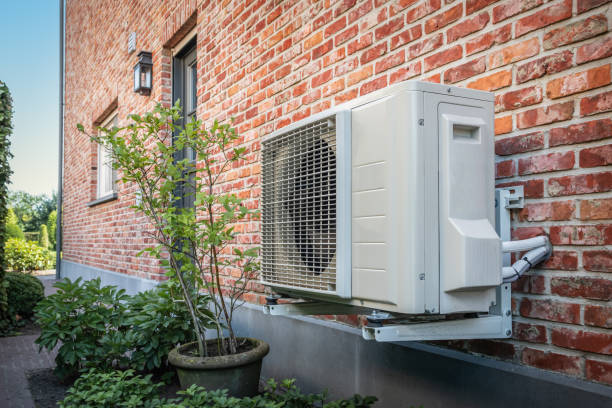
Energy efficiency is the top priority for homeowners looking to upgrade their home climate systems. When comparing a standard central unit to a heat pump air conditioner, the difference often comes down to how each system manages electricity. While central systems are common, they can be inefficient due to duct leakage and lack of temperature control, whereas modern units often provide superior performance.
Assessing Energy Efficiency in a Heat Pump Air Conditioner
Efficiency is usually measured by how much heating or cooling is produced per unit of electricity consumed. Central systems frequently suffer from energy loss within ductwork, where air escapes before reaching its destination. A ductless unit delivers conditioned air directly to the room, eliminating these losses entirely. This direct approach ensures that every watt of electricity is used effectively to maintain your target indoor temperature.
Inverter Technology and Variable Speed Compression
One of the biggest contributors to the high efficiency of these units is variable speed technology. Unlike older central units that only operate at full capacity, these compressors adjust their speed to meet the exact load required. This avoids the inefficiency of constant cycling. By running at lower, more stable speeds, the system maintains comfort while consuming far less power than a traditional system.
Eliminating Ductwork Losses
Ductwork in older homes is often leaky, poorly insulated, or improperly sized, which can account for significant energy waste. By moving away from centralized air distribution, you avoid the common pitfalls associated with legacy HVAC designs. The focused delivery of a wall-mounted or concealed unit ensures that your energy dollars are directly translated into comfort, not wasted on heating or cooling empty attics or crawlspaces.
Comparing Costs and Performance of a Heat Pump Air Conditioner
While central systems might seem cheaper to install initially, the long-term operational costs often tell a different story. These modern units provide both cooling and heating, meaning you do not have to maintain a separate furnace. By consolidating your HVAC equipment, you simplify your repair schedule and lower your overall home energy usage. This makes them a more economical choice over the lifespan of the equipment.
Maintenance for Sustained High Efficiency
To keep your system running at maximum efficiency, regular upkeep is essential. Cleaning air filters, clearing debris from the outdoor compressor, and checking refrigerant levels are simple tasks that pay off. Because these units are so sensitive to airflow, even minor obstructions can reduce efficiency. Maintaining a clean system ensures that your electricity usage stays low and your indoor air quality remains high throughout the year.
Evaluating Energy Rebates and Incentives
Many local utility providers and government agencies offer financial incentives for upgrading to high-efficiency climate control systems. Because these units are recognized for their energy-saving capabilities, they often qualify for significant tax credits or rebates. Researching these opportunities before your purchase can help lower your upfront costs, making the transition to more sustainable home heating and cooling even more accessible and financially attractive.
Conclusion
For homeowners focused on long-term sustainability and lower utility bills, upgrading to a modern system is a logical move. The combination of precision technology and the lack of energy-draining ductwork makes these units the gold standard for efficiency. By making the switch, you improve your daily comfort and reduce your environmental footprint. Consult with an experienced HVAC professional to evaluate your home and discover the savings potential today.