General contractors juggling multiple trades on a commercial site need exterior partners who fit into an existing schedule rather than disrupting it. That is the core promise behind Pine & Harbor Commercial Construction, a contractor built specifically around the operational realities of large scale exterior work in New Hampshire, Massachusetts, and Maine.
Coordinating roofing and siding installation with other active trades is rarely simple. Crews, deliveries, and inspections all compete for the same timeline, and one delayed shipment can ripple through an entire project schedule. Because of this, project management expertise is treated as a core service rather than a nice to have addition.
Built Around GC Workflows
Commercial developments rely on precision scheduling, and a contractor unfamiliar with that pace can quickly become the bottleneck on an otherwise well run job. Crew deployment, material deliveries, and staging are coordinated tightly with other trades to prevent delays, which means a GC does not need to spend extra time managing the exterior team separately from everyone else.
Some of the operational habits that support this include:
- Trained, fully compliant crews sized appropriately for each job
- Planned material staging based on the physical constraints of the site
- Timelines that are realistic from the start rather than adjusted mid project
- Ongoing communication with site managers rather than occasional check ins
Safety as a Non Negotiable
Large scale developments carry significant liability, and safety failures on an exterior crew can jeopardize an entire project's schedule and reputation. All crews are OSHA compliant, safety trained, and fully insured, which helps keep job sites compliant from tear off through final inspection. For general contractors managing risk across dozens of subcontractors, this kind of baseline compliance reduces one major variable from the equation.
Property Types That Benefit Most
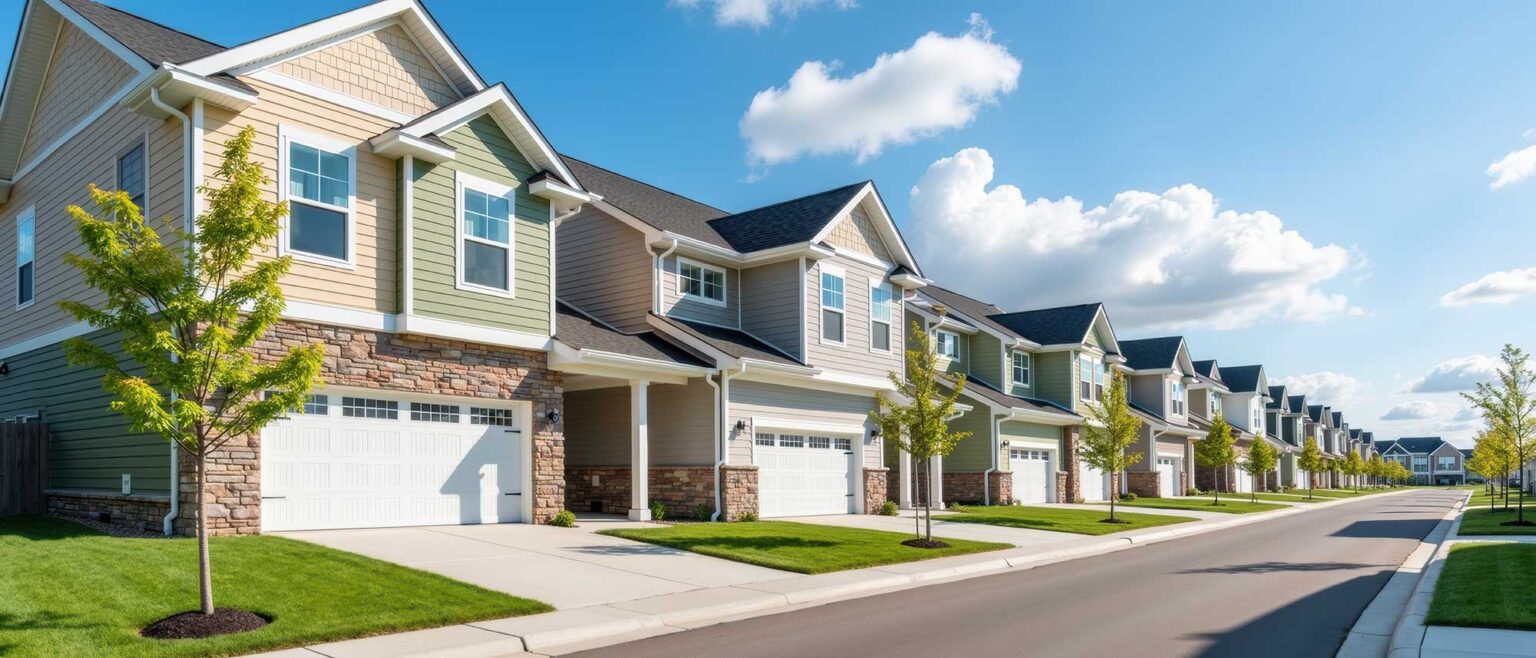
While every commercial property benefits from disciplined exterior work, certain property types see the greatest impact from a coordinated approach. Warehouses and distribution centers require rugged materials able to withstand constant operational stress. Multi family housing projects demand scheduling that limits tenant disruption during occupied phases of construction. Manufacturing facilities need installation sequencing that avoids interrupting production. Office and retail properties benefit from finishes that protect the brand image of the property while meeting structural requirements.
Materials Built for Scale
Flat roofing systems including EPDM, TPO, and PVC are commonly specified for commercial durability and thermal performance, while metal roofing installations serve industrial applications where longevity is a priority. On exterior walls, fiber cement, metal, and composite siding provide structural resilience with reduced long term maintenance needs, an important consideration for property owners thinking beyond the initial build.
Why Coordination Matters More Than Speed Alone
It can be tempting to judge a commercial exterior contractor purely on how quickly a crew can finish a roof or wall system. However, speed without coordination often creates more problems than it solves. A rushed installation that ignores flashing details or moisture control layers may look complete on the surface while setting up future failures. That is why the emphasis on communication with site managers and adherence to engineering specifications matters just as much as the physical labor itself.
Regional Reach
Serving commercial clients across southern New Hampshire and northern Massachusetts, including Portsmouth, Dover, Rochester, Salem, Manchester, and nearby communities, allows for a level of local familiarity that out of area contractors simply cannot match. Local code knowledge, established supplier relationships, and shorter response times all contribute to smoother project execution.
Conclusion
General contractors and developers evaluating exterior partners for a commercial project should look beyond price alone and consider how well a contractor's operational habits align with the rest of the job site. A team built around scheduling precision, safety compliance, and clear communication reduces risk across the entire development, not just the roofing or siding scope. For anyone planning a large scale commercial build or redevelopment in the region, partnering with a contractor that treats coordination as a core skill can make the difference between a project that finishes on time and one that struggles through avoidable delays.