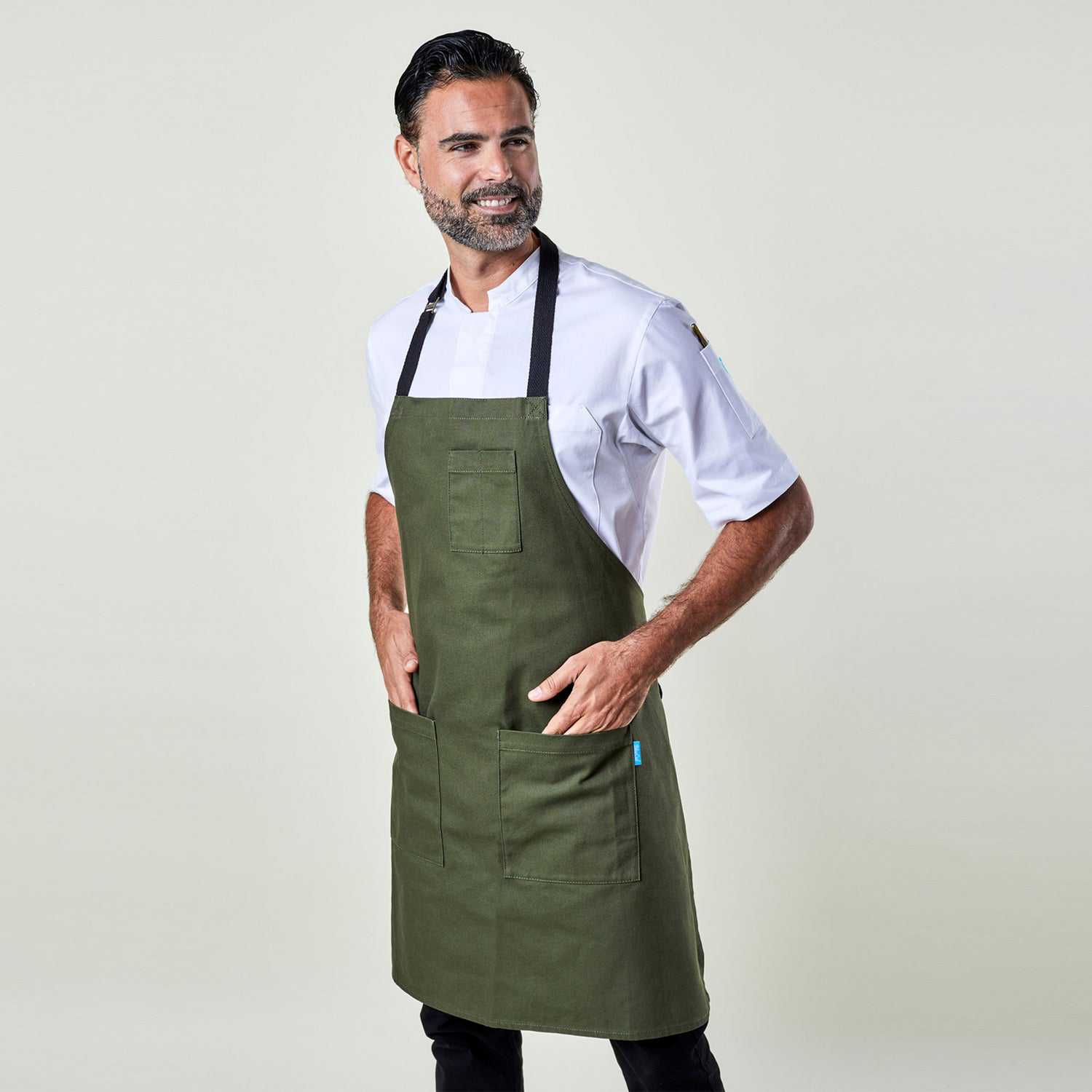
A well-designed apron does more than protect clothing from spills and stains. It can also become an important part of a restaurant’s visual identity and daily workflow. Customized aprons give restaurants, cafés, bakeries, catering companies, and hospitality teams the opportunity to combine practical features with distinctive branding. From embroidered logos to useful pockets, many details can be added to create an apron that suits the workplace and represents the business.
Business Logos and Branding
One of the most popular additions to customized aprons is a company logo. Embroidery can place a restaurant name, emblem, or brand mark prominently on the chest area, pocket, or upper section of the apron. A professionally positioned logo helps create a consistent appearance among team members while making the business more recognizable to customers. Branding can also include a slogan, department name, or employee role when appropriate.
Personalized Colors and Trims
Color is another effective way to personalize an apron. Businesses can select shades that complement their existing restaurant décor, signage, or brand identity. Contrasting trims around the edges, pockets, or straps can provide an additional visual accent without making the design excessive. For hospitality teams that want a coordinated appearance, matching apron colors with chef coats, shirts, or hats can create a polished overall uniform.
Embroidery and Name Details
Individual personalization can make customized aprons especially useful for front-of-house and professional culinary teams. Employee names, job titles, or initials can be embroidered onto an apron for easy identification. A name placed near the chest can give staff uniforms a more personal and professional appearance. Embroidery is also a durable option for workplaces where garments are washed frequently.
Functional Pockets
Customization does not have to focus only on appearance. Practical additions can make an apron more useful during busy shifts. Pockets can be positioned at convenient heights for carrying pens, order pads, thermometers, small tools, or other everyday items. Different pocket sizes and layouts can be considered depending on the responsibilities of the wearer. A chef, server, bartender, or baker may each benefit from a different pocket arrangement.
Adjustable Straps and Closures
Comfort is important when an apron is worn for several hours. Adjustable neck straps, waist ties, buckles, or other fastening options can help create a more comfortable fit for different body types. These details can make it easier for employees to adjust their aprons throughout the day. A secure closure also helps the garment stay properly positioned during constant movement.
Fabric and Design Choices
The material itself can be customized according to the demands of the workplace. Lightweight fabrics may be suitable for warm environments, while heavier materials can provide additional durability and coverage. Businesses can also consider different apron lengths, bib styles, cross-back designs, or waist apron formats. BlueCut focuses on professional hospitality clothing that balances functionality, comfort, and contemporary design.
Decorative and Signature Details
Some businesses may want subtle design elements that make their aprons stand out. Contrast stitching, branded labels, custom buttons, woven patches, or distinctive strap colors can add character to the uniform. These smaller details can help communicate a restaurant’s personality while maintaining a professional appearance.
Conclusion
There are many ways to enhance customized aprons, ranging from embroidered logos and employee names to functional pockets, adjustable straps, personalized colors, and distinctive trims. The best additions should reflect both the practical needs of employees and the visual identity of the business. With thoughtful customization, an apron can become a comfortable, durable, and recognizable part of a cohesive hospitality uniform.